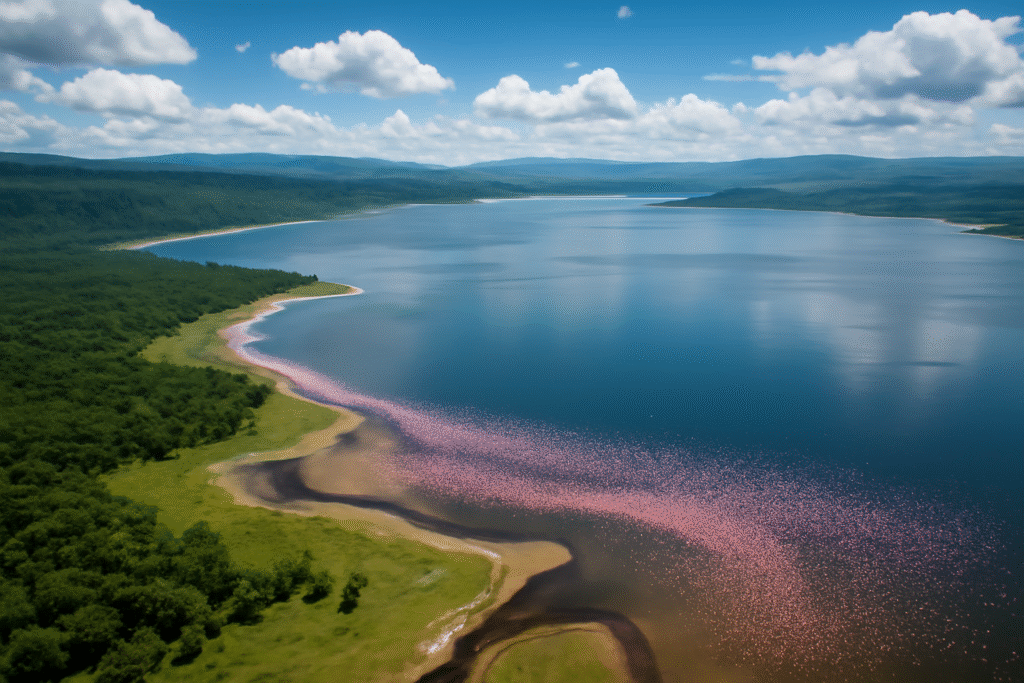
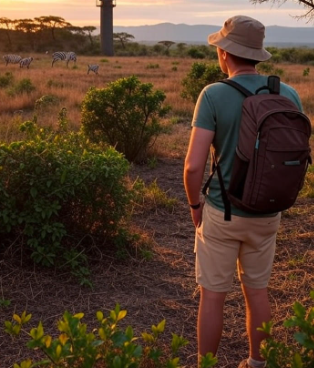
Imagine: You drive past a bend in the savanna’s spine, straight into the heart of upper Kenya. All of a sudden, harsh daylight combines with fierce winds to make every hair on your body stand up. The land is arid and map-like, but around every sharp, lonely corner there always seems to be something breathtaking-looking : wide open plains hosting miles of rugged hills and seemingly endless sky as far as eye can see. Air here is easily burned so it becomes dry and hot. You can not help to feel the thrill as you approach a place where Africa’s untamed wildlife still strides. That place is Samburu National Park – a beautiful safari destination that offers more than just animals.
Where Is Samburu National Park?
Samburu National Park is located in Samburu County, in the north of Kenya. It’s about 350 kilometers (220 miles) from Nairobi, the bustling capital city of Kenya. While Nairobi is full of life and city noise, Samburu feels like a whole different world—a peaceful, quiet, and remote wilderness where nature takes center stage.
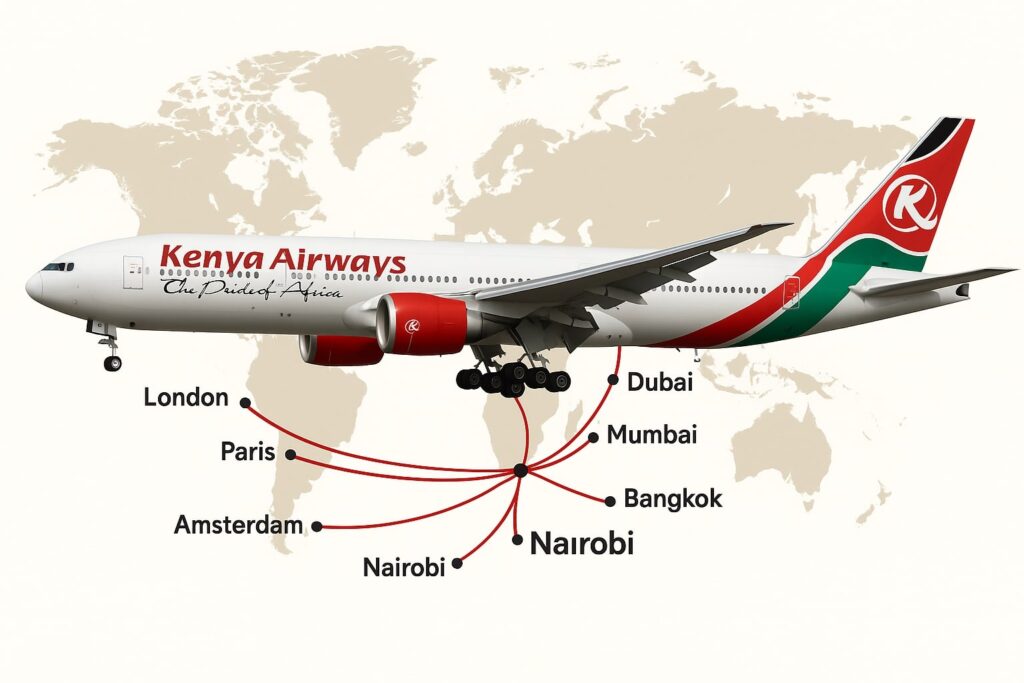
Getting to Samburu is part of the adventure. If you’re driving from Nairobi, the journey will take you around 5 to 6 hours, depending on the road conditions. You’ll pass through towns, small villages, and some of the most stunning landscapes in Kenya. If you want to save time or just enjoy the aerial views, you can also take a 1-hour flight from Wilson Airport in Nairobi to Samburu Airstrip. Either way, getting to Samburu will fill you with excitement, because once you arrive, you’ll find yourself in one of Kenya’s most beautiful and special places.
Safari Experience
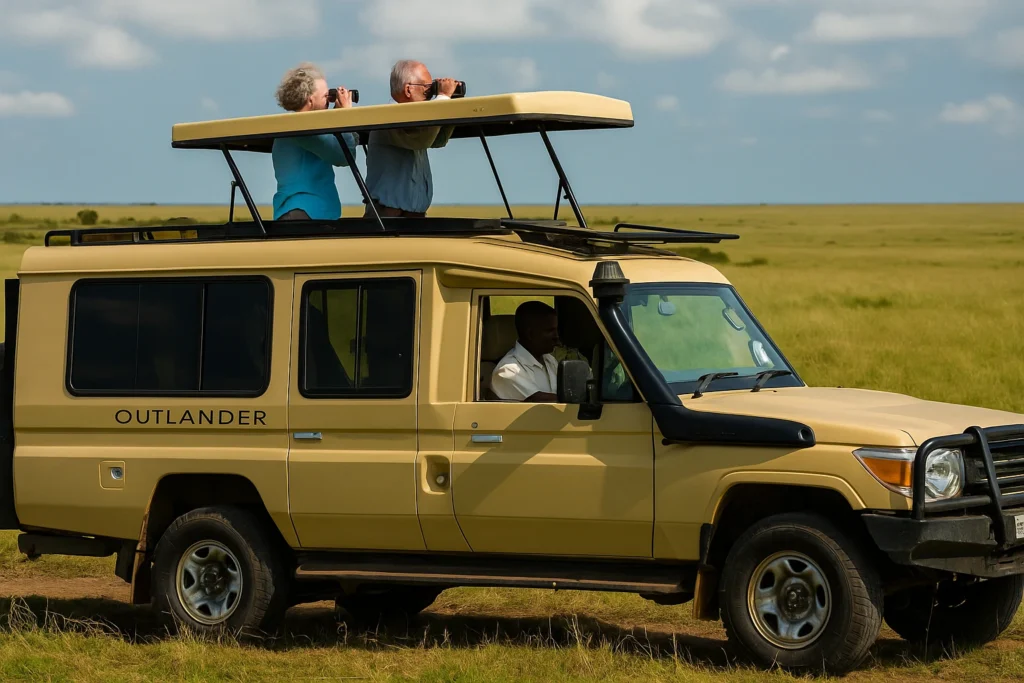
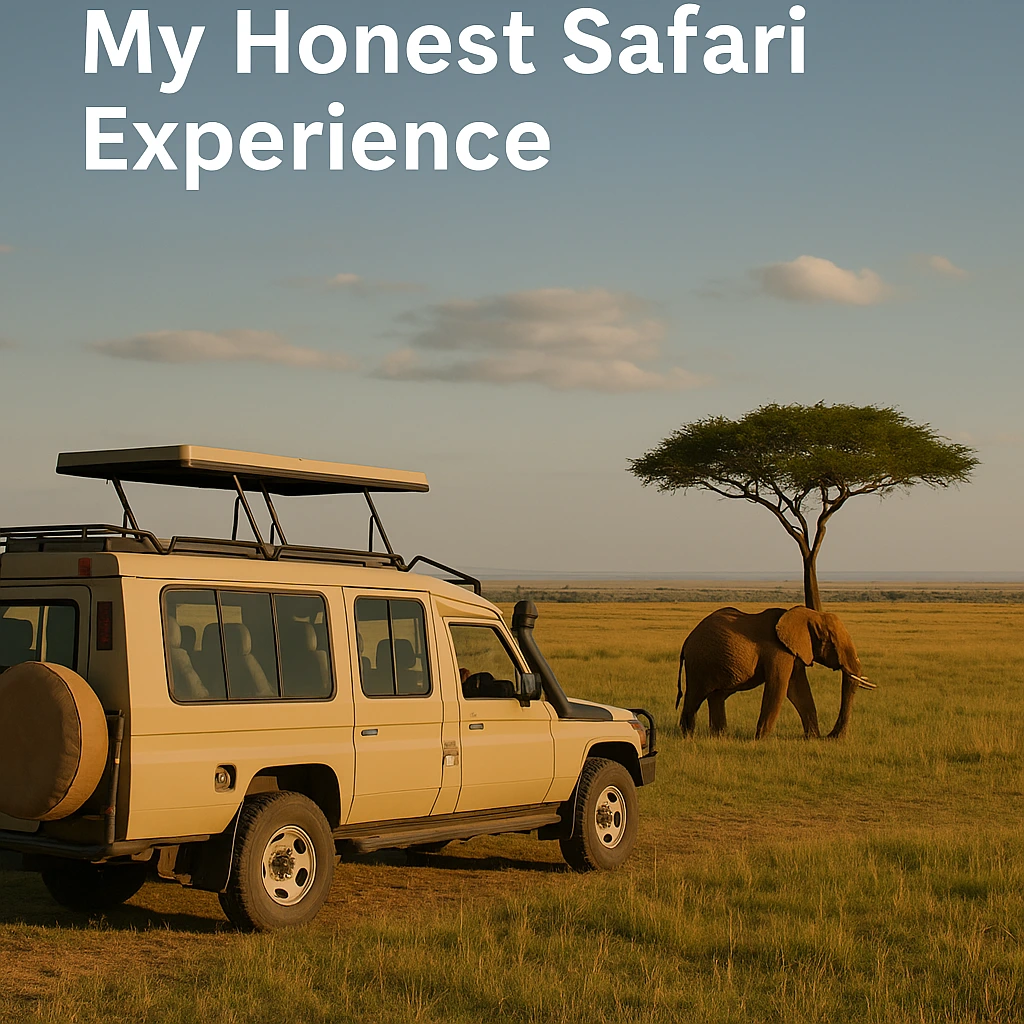
Samburu National Park is often described as one of Kenya’s most unique safari destinations. While it’s not as big as other parks like Maasai Mara or Amboseli, it has something that sets it apart: the wildlife. You won’t just see the typical African animals you’re familiar with. Instead, Samburu is home to species that are rare or found only in this region.
One of the first things you’ll notice when you arrive is the Ewaso Ng’iro River, which runs through the park. This river is the lifeblood of the park, attracting all sorts of animals that come to drink its water, especially during the dry season. The contrast between the dry, dusty landscape and the lush green riverbanks is striking, and it’s where you’ll see the most exciting wildlife action
Samburu is known for the Samburu Five, a group of rare animals that are hard to find in other parks
Grevy’s Zebra: Narrow stripes and a white belly, one of the rarest zebra species, often seen grazing in parks.
Reticulated Giraffe: Unique net-like pattern of white lines across the body, stands out in the golden savannah.
Beisa Oryx: Long, straight horns, built for harsh, dry conditions of the Samburu region.
Gerenuk: Long neck, known for standing on hind legs to reach tall branches, gracefully navigating tough terrain.
Somali Ostrich: Bright blue legs, unique to northern Kenya, easily spotted running across the plains.
Aside from these rare species, you’ll also encounter classic safari animals such as lions, cheetahs, leopards, elephants, buffaloes, and a variety of antelopes. The park’s landscape, a mixture of acacia trees, grasslands, and riverine forests, provides the perfect habitat for these animals, and a game drive here feels like you’re stepping into a wildlife documentary.
A Birdwatcher’s Paradise
If you love birds, then Samburu National Park is a paradise. With more than 350 species of birds, the park is a dream come true for anyone interested in birdwatching. The Ewaso Ng’iro River attracts a huge variety of birds, from vultures and eagles to hornbills and secretary birds.
In the wet season, which runs from November to May, you can see migratory birds from Europe and Asia passing through the park. This makes Samburu not only a top spot for wildlife, but also a fantastic place for bird enthusiasts to spot some truly special species.
What to Do in Samburu National Park
| Game Drives | The most popular activity in Samburu, offering a thrilling safari experience. | Best done in the morning or evening when animals are most active. Rugged terrain adds to the adventure. |
| Walking Safaris | A more intimate experience with a guide, exploring the park on foot and learning about the environment. | Connect with nature, learn about plants and small creatures, and enjoy a deeper perspective of the park. |
| Cultural Visits | Visit a Samburu village to learn about their traditions, bright beadwork, and ceremonies. | Experience vibrant dances and ceremonies, and gain insight into the Samburu people’s deep connection to the land. |
| River Safaris | Boat safari along the Ewaso Ng’iro River, offering a unique view of the park’s wildlife from the water. | Spot hippos, crocodiles, and birds along the riverbanks, a peaceful and different safari experience. |
When to Visit Samburu National Park
Samburu National Park is open throughout the year, but the best time to visit depends on what you want to see and experience
Dry Season (June to October): This is the best time for wildlife viewing. The grass is short, and animals are easier to spot, especially around the river. The weather is hot and dry, but this is when animals gather at water sources, making them easier to find.
Green Season (November to May): If you’re a birdwatcher, this is the time to visit. Migratory birds come to the park, and the landscape becomes lush and green. It’s also a great time for photography, as the park looks completely different during this season.
The early mornings and late afternoons are the best times for game drives, as the animals are more active during these cooler hours, and the light is perfect for photos.
Where to Stay in Samburu
Samburu Tented Camp: This eco-friendly camp is inside the park and offers an intimate safari experience. You can wake up to the sounds of birds and animals just outside your tent.
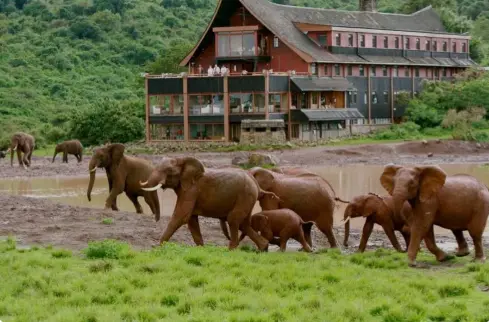
Samburu Sopa Lodge: This lodge offers great comfort and stunning views of the park. It’s perfect for families or anyone looking for a peaceful getaway in the wild.
Emakoko Lodge: Just outside the park, this luxury lodge offers amazing views and a more exclusive experience. It’s perfect if you’re looking for something a bit more upscale.
Samburu National Park is one of those destinations that truly must be seen to be believed. It’s not just about the incredible wildlife, but about immersing yourself in a completely different way of life. The park offers a unique blend of nature and culture, where both coexist in perfect harmony. Whether you’re catching sight of the rare Grevy’s zebra or gaining a deeper understanding of the Samburu people’s rich traditions, every moment in this park promises a new adventure.
Ready to experience it for yourself? Booking Here