Kenya is often referred to as the best of East Africa, and it’s easy to see why. Located on the eastern coast of the African continent, Kenya is a country full of natural beauty, rich culture, and exciting opportunities. From its stunning landscapes and wildlife to its diverse people and growing economy, Kenya offers something unique for both locals and visitors alike. Whether you’re drawn to the savannas, the vibrant cities, or the tropical beaches, Kenya truly stands out in East Africa.
Geography and Climate
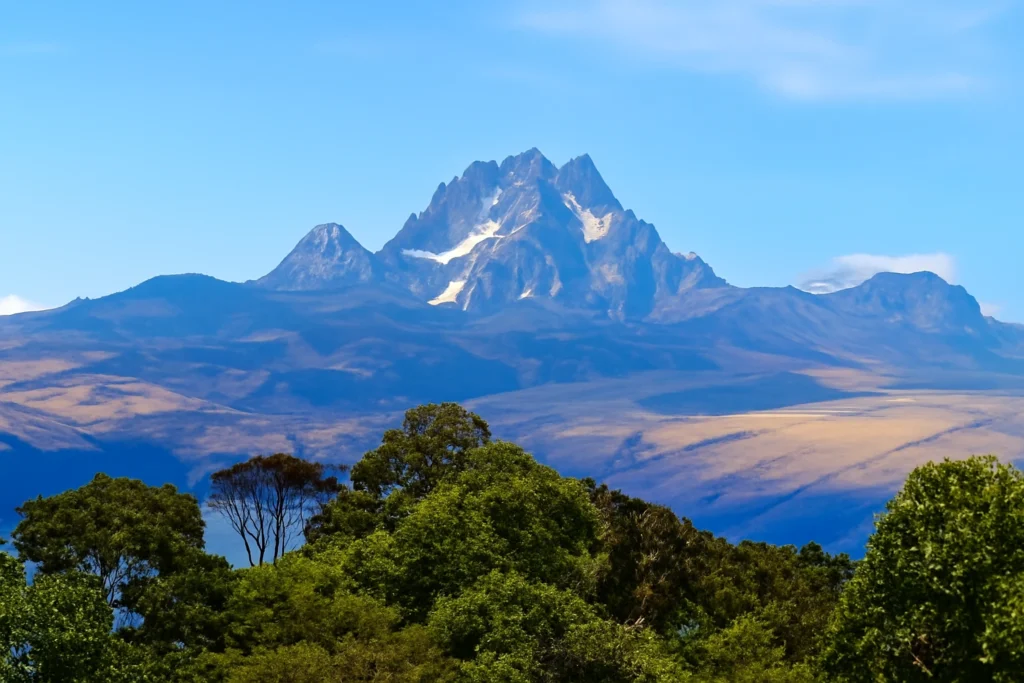
Kenya covers an area of about 580,367 square kilometers, making it the 48th largest country in the world. Its geography is incredibly diverse, with everything from tropical beaches on the Indian Ocean coast to lush highlands and the famous Great Rift Valley. The Great Rift Valley, which runs through Kenya from north to south, is one of the most remarkable geological features in the world. It’s home to unique landscapes, volcanoes, and deep lakes, making it a must-see for visitors.
Kenya has a varied climate depending on the region. Coastal areas, like Mombasa, have a hot and humid climate, while areas further inland can be cooler and more temperate. The highland regions, including the capital city Nairobi, enjoy moderate temperatures year-round. The climate diversity means that there are different environments to explore, from the warm beaches to the cool mountain areas.
Wildlife and National Parks
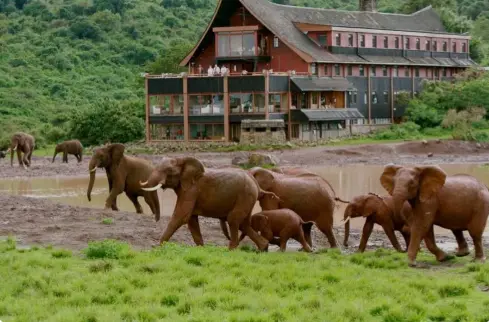
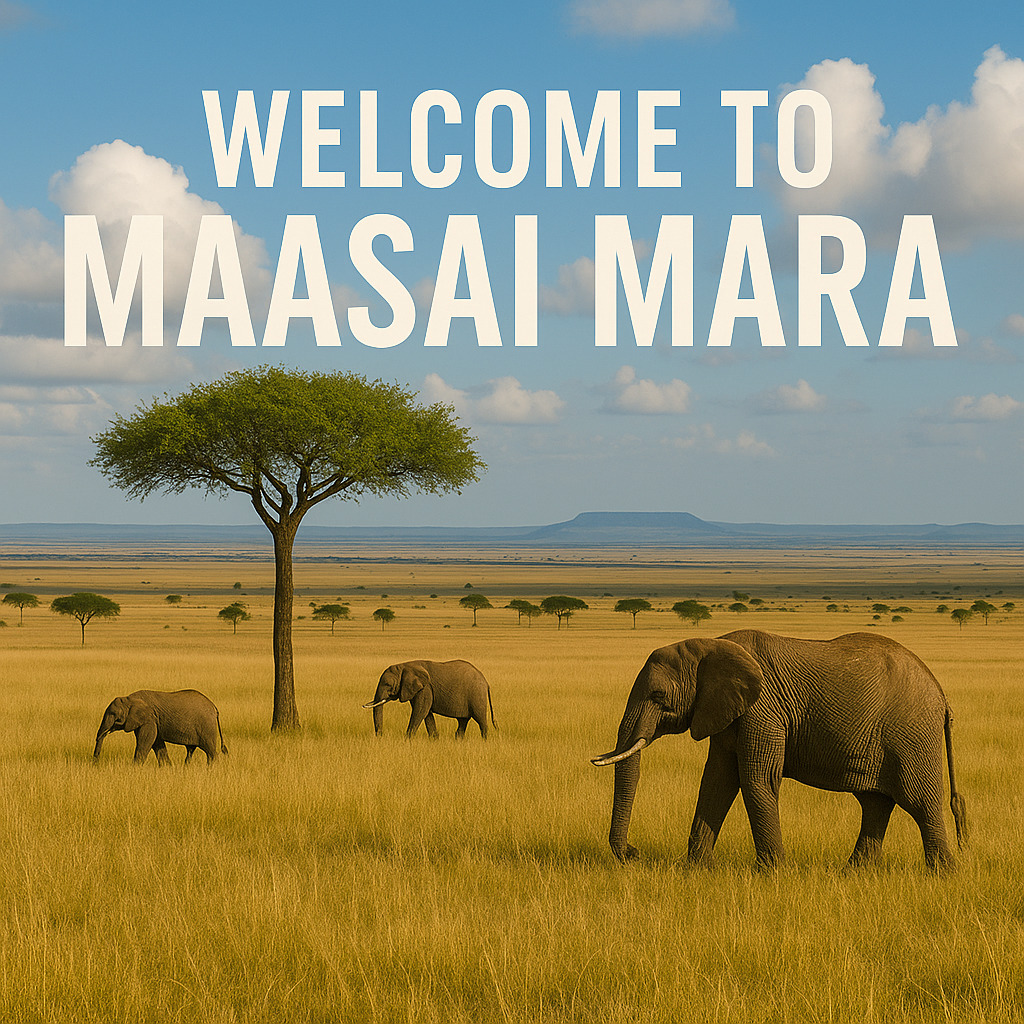
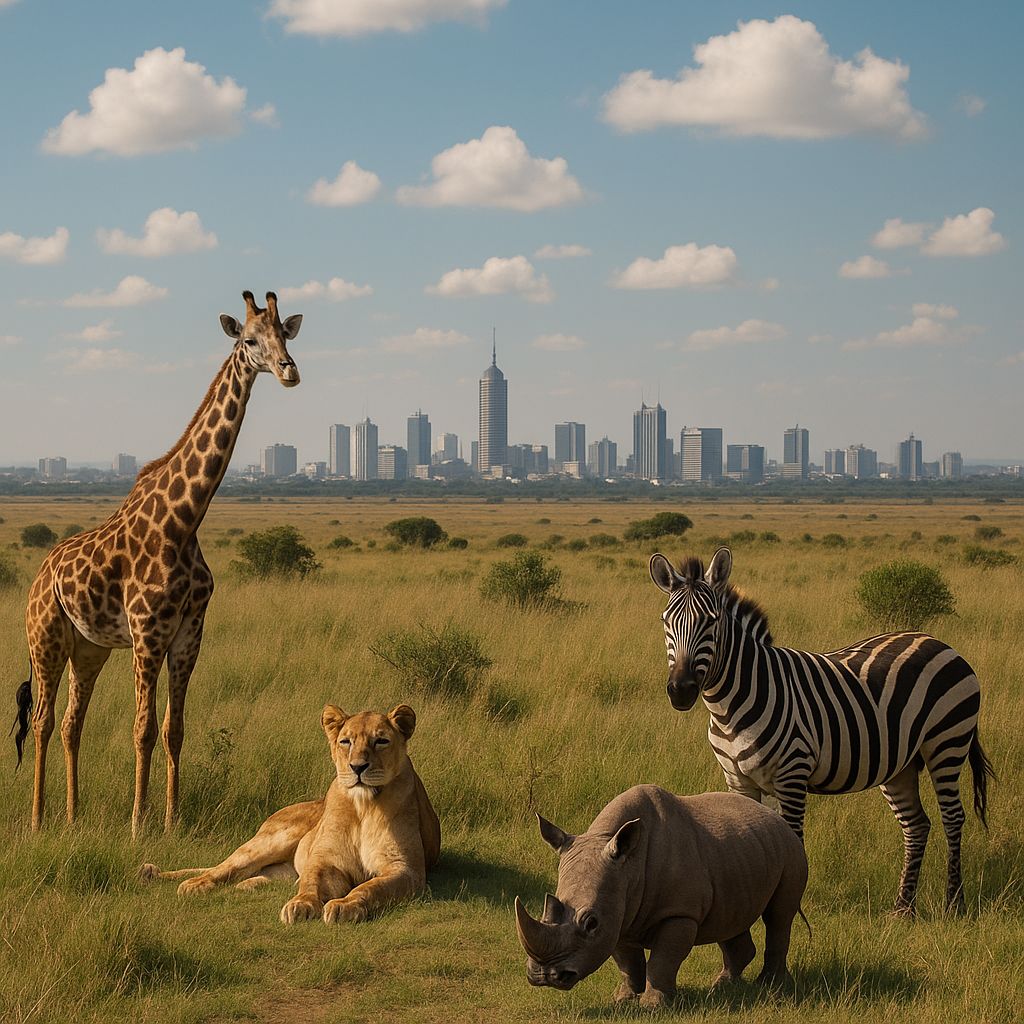
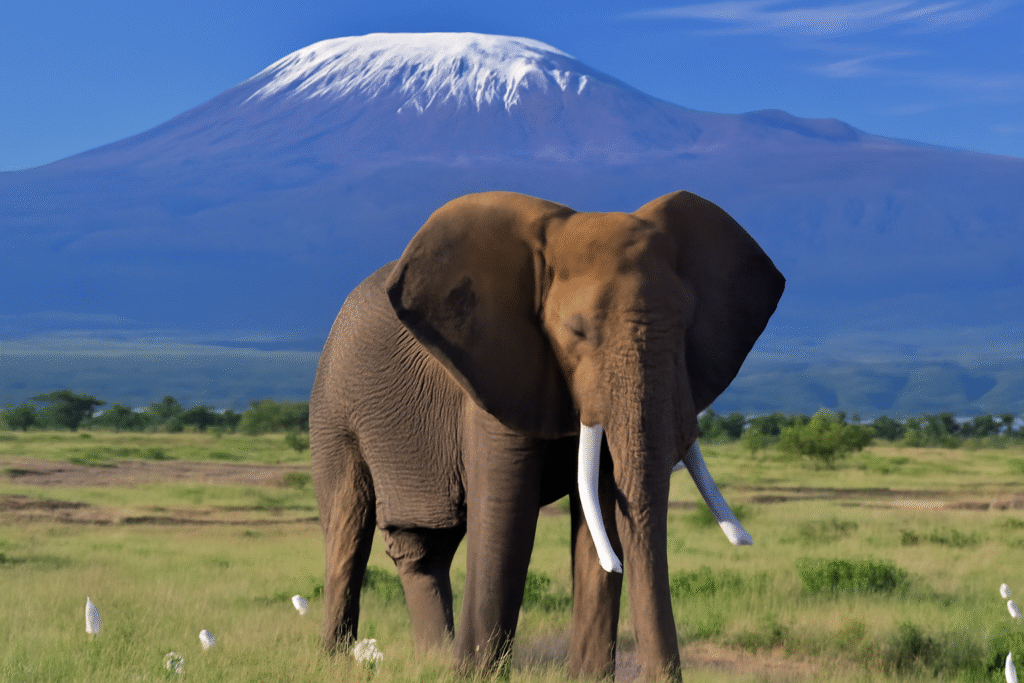
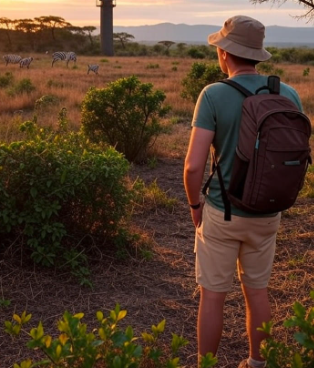
Kenya is perhaps best known for its wildlife and national parks, which draw tourists from around the globe. The country is home to some of Africa’s most famous wildlife reserves, including the Maasai Mara, Amboseli National Park, and Tsavo National Park. These parks are known for their “Big Five” animals—lions, elephants, buffaloes, leopards, and rhinoceroses—and they offer some of the best safari experiences in the world.
The Maasai Mara is especially famous for the Great Migration, when millions of wildebeest, zebras, and gazelles move across the plains in search of fresh grazing land. This incredible natural event, which usually happens between July and October, attracts photographers, wildlife enthusiasts, and tourists hoping to witness one of nature’s greatest spectacles.
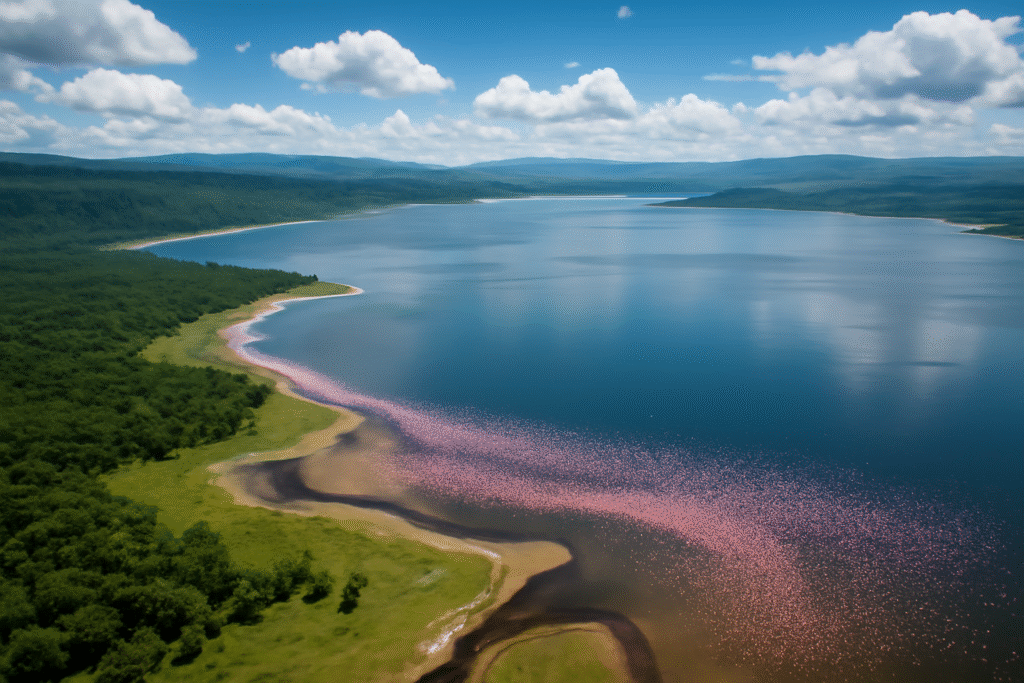
Kenya also has rich birdlife and is a popular destination for birdwatchers. The country is home to over 1,000 species of birds, with Lake Nakuru being famous for its flamingo populations. The country’s wildlife is a major part of its economy, as tourism related to safaris and nature experiences is one of Kenya’s biggest industries.
Culture and People
Kenya is a country with a rich cultural heritage. It’s made up of more than 40 different ethnic groups, each with its own language, customs, and traditions. The largest ethnic groups are the Kikuyu, Luhya, Luo, Maasai, and Kalenjin, but there are many smaller groups, each contributing to the cultural fabric of the country.
Swahili and English are the official languages of Kenya, but Swahili is the most widely spoken language, and it serves as a unifying language among the diverse ethnic communities. The country’s culture is known for its music, dance, and colorful art, which reflect both traditional and modern influences. Traditional dances, especially during ceremonies and festivals, are an important part of the social fabric.
Kenya is also famous for its athletes, particularly long-distance runners. Kenyan runners have won numerous international competitions, including the Olympics and World Championships. The country’s athletes are known for their speed and endurance, which many attribute to the country’s high-altitude training conditions.
Economy and Growth
Kenya’s economy is one of the most diverse in East Africa. While agriculture has traditionally been the backbone of the economy, with products like tea, coffee, and horticultural goods being key exports, Kenya has also seen significant growth in other sectors like technology, manufacturing, and tourism.
Nairobi, the capital, has become a hub for technology in Africa. It’s sometimes called “Silicon Savannah” due to the growth of tech startups and innovations, particularly in mobile technology and financial services. The mobile payment system M-Pesa, which allows people to send and receive money via their phones, is one of Kenya’s most famous technological achievements and has helped increase financial inclusion for millions of people.
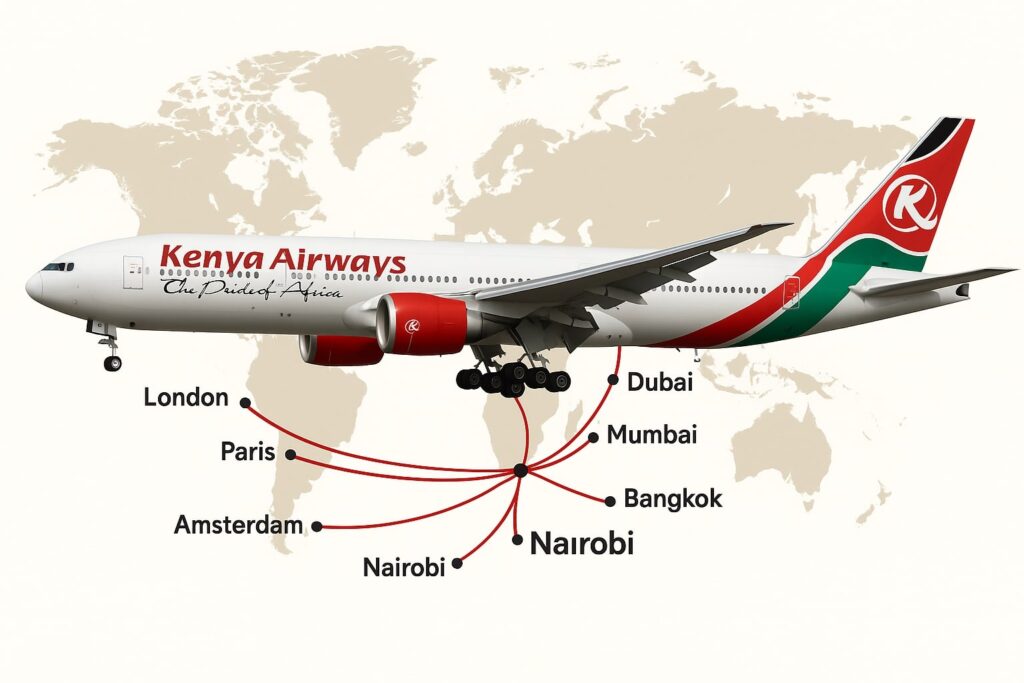
The country’s infrastructure is also improving, with new roads, railways, and airports helping to connect different regions of the country. Kenya is an important trade and business center in the region, attracting international companies and investors. Despite these successes, Kenya still faces challenges, particularly in poverty and inequality, with many people in rural areas lacking access to basic services like education and healthcare.
Challenges and Opportunities
Like many developing countries, Kenya faces several challenges, such as poverty, unemployment, and corruption. However, the government and various organizations are working hard to improve living conditions. There have been improvements in education, healthcare, and access to clean water, but more work is needed to ensure that every Kenyan has the opportunity to succeed.
Kenya’s youth population, which makes up a large portion of the country’s people, offers great potential for growth. Young people in Kenya are increasingly becoming educated and are eager to contribute to the country’s development. With a vibrant entrepreneurial spirit and a growing middle class, Kenya is well-positioned to continue its upward trajectory.